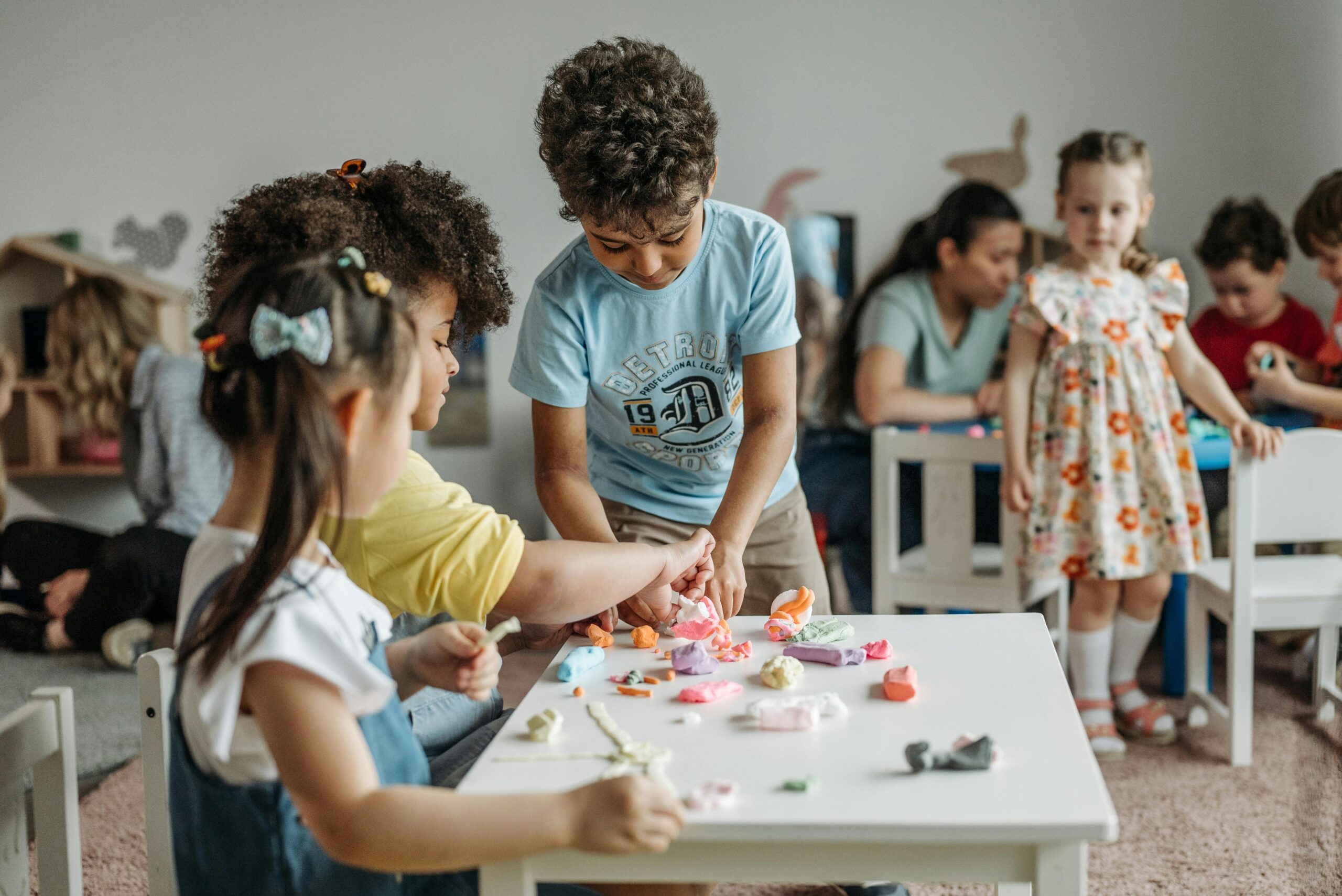
Choosing the right early education program for your child can feel overwhelming, especially when terms like playgroup, nursery, and preschool are often used interchangeably. Many parents assume these programs are the same, but each stage serves a unique purpose in a child’s development.
Understanding the difference between playgroup, nursery and preschool can help you select the most suitable learning environment based on your child’s age, developmental readiness, and learning needs. These early childhood education programs are designed to support children’s cognitive, social, emotional, language, and physical development during the most important years of growth.
According to the National Education Policy (NEP) 2020, the foundational stage of learning covers children from ages 3 to 8 years and emphasizes play-based, activity-based, and discovery-based learning. This highlights the importance of quality early childhood education in preparing children for future academic success.
In this guide, we will explore the difference between playgroup, nursery and preschool, their age criteria, learning objectives, benefits, and how parents can determine the right stage for their child.
What is Early Childhood Education?
Early childhood education refers to the learning experiences provided to children before they enter formal primary school. These programs focus on nurturing children’s overall development through engaging, age-appropriate activities.
Why Early Learning Matters for Children
The first few years of a child’s life are crucial for brain development. During this period, children develop essential skills related to communication, social interaction, problem-solving, and emotional regulation.
Quality early childhood education helps children build confidence, curiosity, and a positive attitude toward learning. These experiences create a strong foundation that supports future academic achievement and lifelong success.
The Role of Play-Based Learning
Play is one of the most effective ways young children learn. Through play-based learning, children explore their environment, develop creativity, solve problems, and practice social skills.
Activities such as storytelling, music, puzzles, art, pretend play, and sensory exploration allow children to learn naturally while having fun. This approach is widely recognized as an effective method for supporting early childhood development.
How Early Education Supports Child Development
Early education programs help children develop:
- Language and communication skills
- Social and emotional abilities
- Fine and gross motor skills
- Cognitive and problem-solving skills
- Independence and self-confidence
These skills prepare children for the academic and social expectations of primary school.
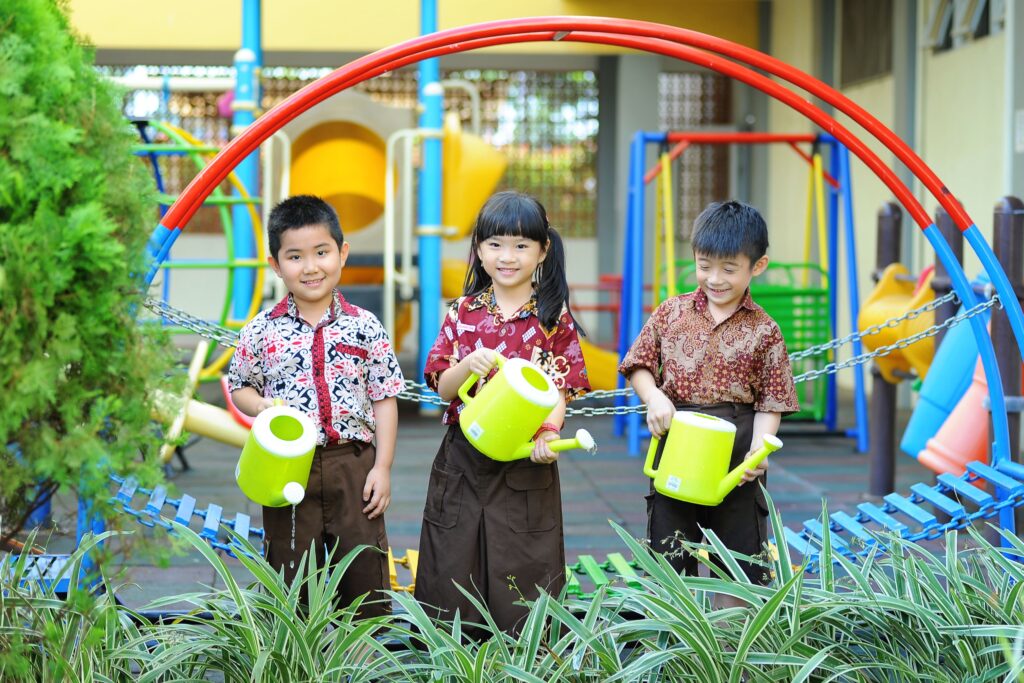
What is a Playgroup?
A playgroup is usually the first stage of organized learning for young children. It is designed to introduce toddlers to a social environment outside their home while encouraging learning through play and exploration.
Age Group for Playgroup
Playgroup programs generally accept children between 1.5 and 2.5 years of age. At this stage, children are beginning to explore their surroundings and show interest in interacting with other children.
Playgroup sessions are typically short and focus on creating a comfortable, nurturing environment where children feel safe and secure.
Activities Children Do in Playgroup
Playgroup activities are designed to stimulate curiosity and support sensory development. Common activities include:
- Singing rhymes and songs
- Storytelling sessions
- Sensory play with sand, water, and clay
- Free play and exploration
- Art and craft activities
- Music and movement exercises
These activities help children develop communication, coordination, and social interaction skills.
Benefits of Joining a Playgroup
Playgroup offers several benefits for young children:
- Encourages social interaction
- Helps children adjust to being away from parents
- Supports language development
- Improves confidence and independence
- Promotes emotional well-being
For many children, playgroup serves as a gentle introduction to the school environment.
What is a Nursery School?
Nursery is the next stage after playgroup and provides a more structured learning environment while still maintaining a strong focus on play-based education.
Age Criteria for Nursery Admission
Nursery programs generally admit children between 2.5 and 4 years of age. Children at this stage are more verbal, independent, and ready for guided learning experiences.
The exact age requirements may vary depending on the school and educational board.
What Children Learn in Nursery
Nursery education introduces children to basic academic concepts while supporting overall development.
Children typically learn:
- Alphabet recognition
- Number identification
- Colors and shapes
- Vocabulary development
- Listening and speaking skills
- Social interaction and teamwork
Learning activities remain engaging and interactive to maintain children’s interest and enthusiasm.
How Nursery Builds Independence
One of the main objectives of nursery education is helping children become more independent.
Children learn to:
- Follow classroom routines
- Communicate their needs
- Share and cooperate with others
- Manage simple tasks independently
- Build self-confidence
These experiences prepare children for the more structured environment of preschool.
What is a Preschool?
Preschool is a structured early learning program that prepares children for kindergarten and primary school. At this stage, children begin developing stronger academic, social, and problem-solving skills.
Preschool Age Group
Preschool programs generally serve children between 3.5 and 5 years of age. This stage often includes Lower Kindergarten (LKG) and may lead into Upper Kindergarten (UKG) depending on the school’s structure.
Children entering preschool are usually more capable of following instructions and participating in longer learning activities.
Preschool Curriculum and Learning Approach
Preschool curricula are designed to support school readiness while maintaining a child-centered approach.
Common learning areas include:
- Pre-reading skills
- Letter recognition and phonics awareness
- Early writing skills
- Counting and number concepts
- Creative arts and crafts
- Science and environmental awareness
- Social and emotional development
Activities encourage exploration, creativity, and active participation.
How Preschool Prepares Children for Kindergarten
Preschool helps children develop the skills required for success in kindergarten and beyond.
These include:
- Concentration and attention skills
- Communication and language development
- Problem-solving abilities
- Self-regulation and emotional control
- Cooperation and teamwork
- Academic readiness
By the end of preschool, children are generally prepared for the expectations of formal schooling.