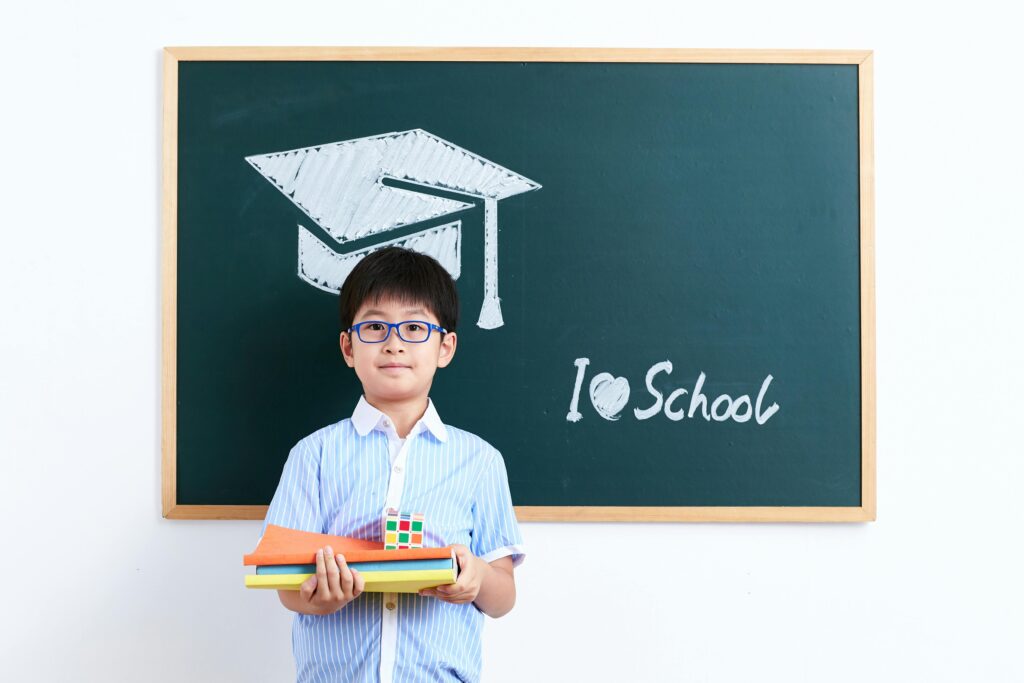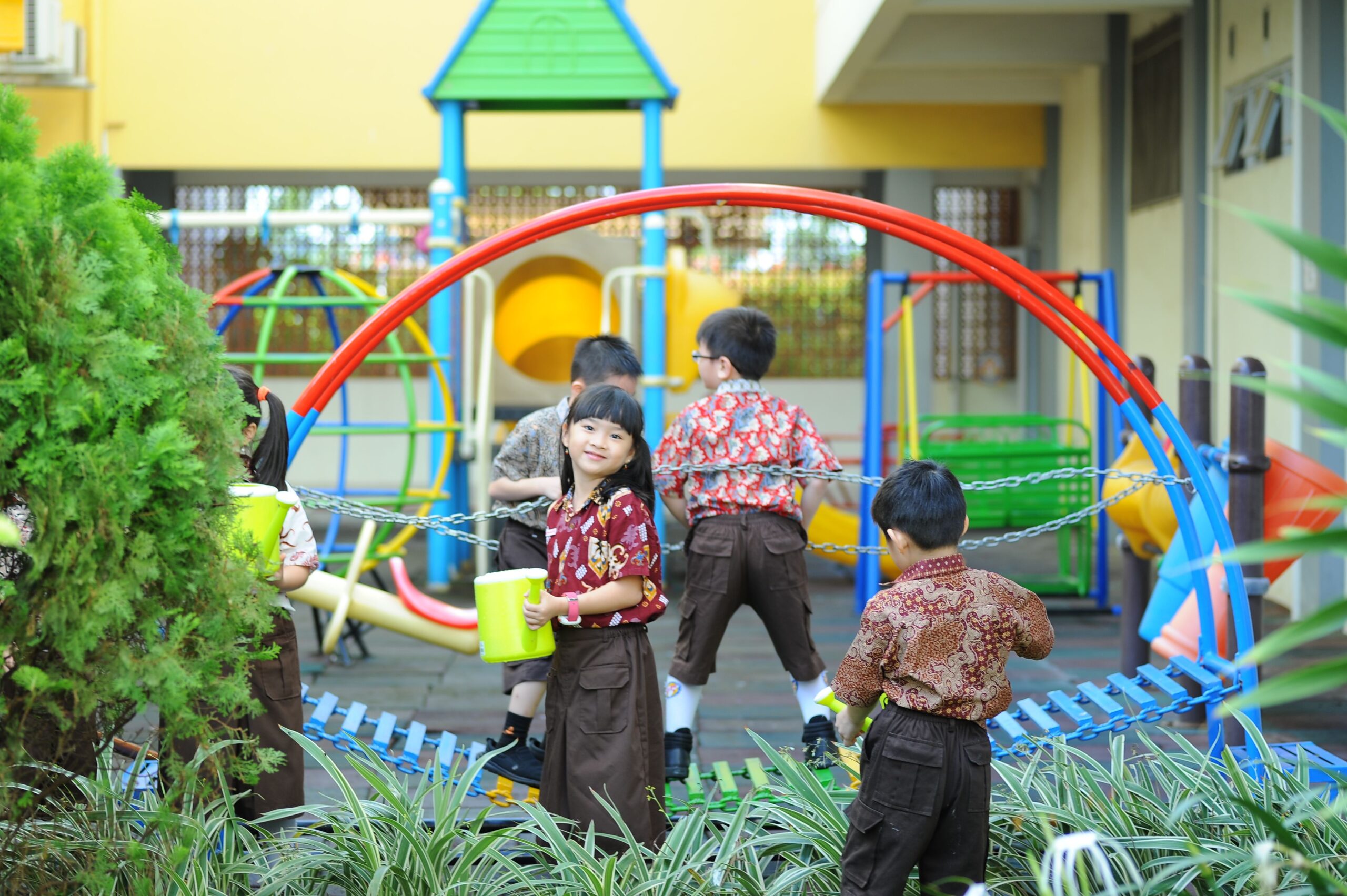
Kindergarten Education plays a vital role in shaping a child’s future learning journey. It serves as the bridge between preschool and formal schooling, helping children develop essential academic, social, emotional, and physical skills. During the kindergarten years, children are introduced to structured learning in a fun, engaging, and age-appropriate environment that encourages curiosity and creativity.
The early years of a child’s life are critical for brain development. Research in early childhood education shows that children learn rapidly during these formative years, making Kindergarten Education an important stage for building a strong foundation for future success. Through play-based activities, storytelling, creative exploration, and interactive learning experiences, children develop the confidence and skills needed to transition smoothly into primary school.
In India, Kindergarten Education generally includes Lower Kindergarten (LKG) and Upper Kindergarten (UKG). These programs are designed to prepare children for Grade 1 while supporting their overall growth and development. Parents who understand the purpose and benefits of Kindergarten Education can make informed decisions about their child’s educational journey.
What is Kindergarten Education?
Kindergarten Education is the first stage of formal learning that prepares children for primary school. It focuses on developing foundational skills through structured yet playful learning experiences. Unlike traditional classroom learning that emphasizes memorization, Kindergarten Education encourages children to learn through exploration, observation, and participation.
Definition and Meaning of Kindergarten Education
The term “kindergarten” originated from the German language and means “children’s garden.” The concept reflects an environment where children can grow, learn, and develop naturally. Kindergarten Education provides children with opportunities to explore new ideas, interact with peers, and build essential life skills.
In modern education systems, Kindergarten Education is designed to support holistic development. This means that children are not only introduced to academic concepts but also learn social skills, emotional regulation, communication, and physical coordination.
Purpose of Kindergarten Education
The primary purpose of Kindergarten Education is to prepare children for formal schooling while nurturing their overall development. Children are encouraged to become independent learners, develop curiosity, and build positive attitudes toward education.
Kindergarten classrooms are designed to create a safe and supportive environment where children feel comfortable asking questions, expressing themselves, and participating in group activities. Through these experiences, children develop self-confidence and a love for learning that continues throughout their educational journey.
How Kindergarten Education Supports School Readiness
School readiness refers to a child’s ability to adapt to the academic, social, and emotional demands of primary school. Kindergarten Education helps children develop the skills needed for a successful transition to Grade 1.
Children learn how to follow instructions, participate in classroom routines, interact with teachers, and collaborate with classmates. They also begin developing literacy and numeracy skills that form the foundation for future academic learning.
Why Kindergarten Education is Important for Early Childhood Development
The early years are among the most important periods of human development. During this stage, children experience rapid growth in their cognitive, emotional, social, and physical abilities. Kindergarten Education provides the experiences and support necessary to foster healthy development in all these areas.
Building a Strong Foundation for Lifelong Learning
Kindergarten Education introduces children to the habits and attitudes that contribute to successful learning. Children develop listening skills, concentration, problem-solving abilities, and critical thinking through age-appropriate activities.
When children have positive early learning experiences, they are more likely to enjoy school and remain engaged in their education. This foundation supports future academic achievement and personal growth.
Supporting Brain Development During Early Years
Research has shown that the early years are critical for brain development. Children’s brains form connections rapidly during this period, making it an ideal time for learning and skill development.
Kindergarten Education provides stimulating experiences that encourage language development, memory, reasoning, creativity, and cognitive growth. Activities such as storytelling, puzzles, music, and hands-on exploration help strengthen neural pathways that support future learning.
Preparing Children for Formal Schooling
One of the most important goals of Kindergarten Education is preparing children for the expectations of primary school. Children become familiar with classroom routines, structured learning activities, and social interactions.
By developing independence, self-regulation, and responsibility, children gain the confidence needed to succeed in a formal educational environment.
Stages of Kindergarten Education in India
In India, Kindergarten Education is generally divided into two stages: Lower Kindergarten (LKG) and Upper Kindergarten (UKG). These stages are designed to support children’s developmental needs while preparing them for primary school.
Lower Kindergarten (LKG)
Lower Kindergarten is usually intended for children around four years of age. At this stage, learning focuses on exploration, play, and developing basic skills.
Children are introduced to letters, numbers, shapes, colors, and simple concepts through songs, stories, games, and creative activities. Social interaction and emotional development are also important components of the LKG curriculum.
Upper Kindergarten (UKG)
Upper Kindergarten is typically designed for children around five years of age. Learning becomes slightly more structured while maintaining a child-friendly and engaging approach.
Children begin developing pre-reading, pre-writing, and early mathematical skills. They also strengthen their communication abilities, problem-solving skills, and understanding of the world around them.
Kindergarten Education Under NEP 2020
The National Education Policy (NEP) 2020 emphasizes the importance of early childhood care and education. The policy recognizes that foundational learning plays a critical role in a child’s overall development and future academic success.
Under the NEP 2020 framework, children between the ages of three and eight years are included in the foundational stage, which focuses on play-based, activity-based, and discovery-based learning approaches.
What Do Children Learn in Kindergarten Education?
Kindergarten Education provides children with opportunities to develop a wide range of skills that support academic readiness and personal growth.
Literacy and Language Development
Language development is a key focus of Kindergarten Education. Children are introduced to letters, sounds, words, and basic communication skills through stories, songs, rhymes, and conversations.
Activities such as picture reading, storytelling, and vocabulary-building exercises help children improve their listening, speaking, and comprehension abilities. These experiences lay the foundation for future reading and writing success.
Early Mathematics and Numeracy Skills
Children begin exploring mathematical concepts through hands-on activities and play-based learning experiences. They learn to recognize numbers, count objects, identify patterns, compare quantities, and understand basic shapes.
These early numeracy experiences help children develop logical thinking and problem-solving skills that are essential for future mathematics learning.
Environmental Awareness and General Knowledge
Kindergarten Education introduces children to the world around them. Through observation, exploration, and discussion, children learn about nature, animals, seasons, community helpers, and everyday life.
These experiences encourage curiosity and help children develop an understanding of their environment while fostering a lifelong love of learning.